
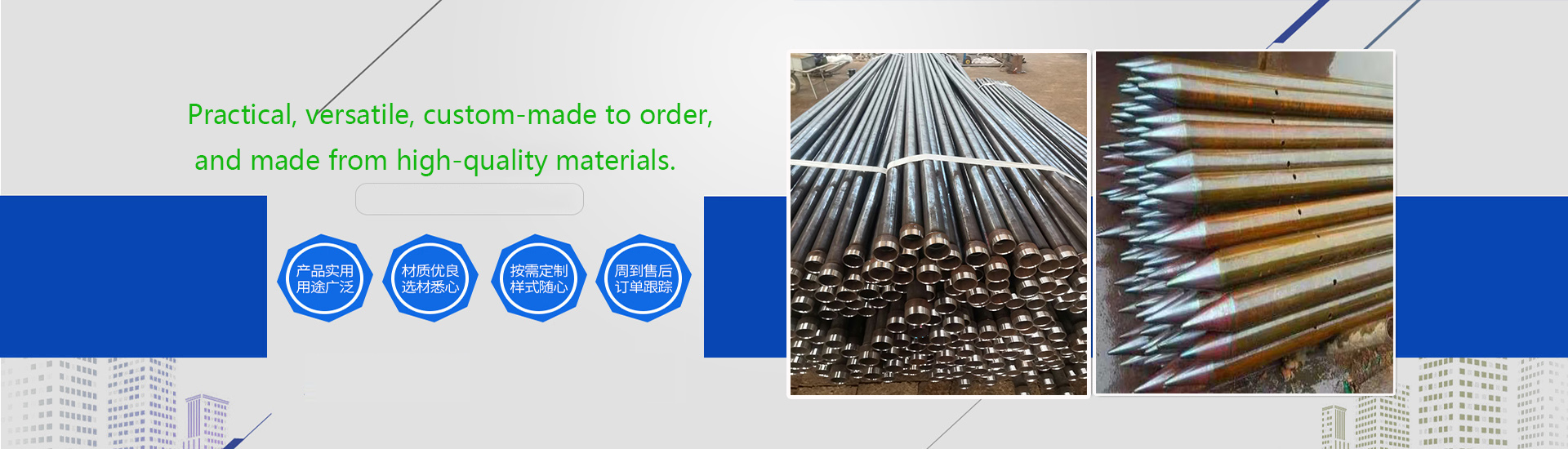
Integrating sonic logging pipes with perforated grouting systems is critical for ensuring accurate pile integrity testing while maintaining structural stability. However, improper installation or grouting techniques often lead to blockages, misaligned transducers, or inconsistent grout distribution—issues that compromise data quality and require costly rework. This guide outlines a five-step methodology for achieving zero-blockage grouting, combining pre-soaking protocols, vibration techniques, and real-time pressure monitoring. A real-world case study demonstrates how this approach reduced rework costs by 70% on a high-profile infrastructure project in Malaysia.
Step 1: Pre-Soak Pipes to Eliminate Air Pockets and Debris
Before grouting begins, sonic logging pipes must be thoroughly pre-soaked to displace trapped air and flush out construction debris. Air pockets are a leading cause of incomplete grout fills, creating voids that distort ultrasonic wave propagation. Meanwhile, residual cement, metal shavings, or sand from drilling can clog perforations in grouting pipes, blocking grout flow to critical zones.
How to execute:
· Submerge pipes in water for 12–24 hours, using a pump to circulate water at 0.5–1 bar pressure. This mimics grouting pressure, forcing air out of joints and perforations.
· Add a mild detergent (e.g., 0.1% dish soap solution) to break surface tension, ensuring water penetrates microscopic gaps.
· Inspect pipes for visible debris after soaking; use a high-pressure air hose to blow out stubborn particles.
Case in point: On a 2022 Kuala Lumpur bridge project, crews skipped pre-soaking, leading to 12 blocked perforations per 100 meters of pipe. After adopting this step, blockages dropped to zero, saving $8,000 in rework.
Step 2: Use Vibration Techniques to Enhance Grout Flow
Even with pre-soaking, grout can stall in narrow perforations or bends, especially when using high-viscosity mixtures. Vibration techniques disrupt static grout columns, encouraging fluid movement through pipes and into surrounding soil or concrete.
How to execute:
· Attach a pneumatic vibrator (e.g., a 2,000 RPM model) to the grouting pipe every 5 meters during filling. The vibrations create micro-movements that prevent grout from settling prematurely.
· For deep piles, use a drop hammer attached to the pipe’s exterior to transmit energy vertically, dislodging potential clogs.
· Avoid over-vibrating, which can separate grout components (e.g., water from cement in sand-cement mixes). Limit sessions to 10–15 seconds per section.
Data-driven insight: A 2023 trial in Johor found that vibration techniques reduced grout blockages by 65% compared to static filling, cutting labor costs by 18%.
Step 3: Monitor Pressure in Real Time to Detect Anomalies
Real-time pressure monitoring is the cornerstone of zero-blockage grouting. Sudden pressure drops indicate leaks, while spikes suggest clogs or pipe deformation. By tracking pressure at the grout pump and exit points, crews can intervene before issues escalate.
How to execute:
· Install digital pressure gauges at the pump outlet and every 20 meters along the grouting pipe. Sync data to a mobile app for remote alerts.
· Set pressure thresholds based on pipe diameter and grout type (e.g., 3–5 bar for 50mm HDPE pipes with sand-cement grout).
· If pressure exceeds the upper limit, pause grouting and inspect for clogs using a borescope camera. If pressure drops below the lower limit, check for leaks at joints or couplings.
Case study: In a 2021 Penang tunnel project, real-time monitoring caught a clogged transducer housing early, allowing crews to clear it with a 5-minute water jet flush. Without monitoring, the blockage would have delayed CSL testing by 3 days, costing $22,000.
Step 4: Optimize Grout Mix for Flowability and Strength
The grout mix itself plays a pivotal role in preventing blockages. A blend that’s too dry will clog perforations, while one that’s too wet may segregate, weakening the pile. Balance flowability with structural integrity by adjusting water-cement ratios and additives.
How to execute:
· Use a flow cone test to measure grout viscosity. Aim for a 20–25-second discharge time for most applications.
· Add superplasticizers (e.g., 0.5% by weight of cement) to improve workability without sacrificing strength.
· For deep piles, incorporate anti-bleed agents (e.g., 0.1% cellulose ether) to prevent water separation under pressure.
Expert tip: Avoid using recycled grout or mixes stored for over 2 hours, as settled particles increase clog risk.
Step 5: Validate Installation with Post-Grouting Sonic Testing
Even with meticulous grouting, minor issues may persist. Post-grouting sonic testing validates pipe integrity and grout distribution, ensuring readiness for final CSL inspections.
How to execute:
· Perform a low-pressure water test (1 bar) to check for leaks in the grouting pipe.
· Use a portable ultrasonic tester to transmit waves between transducers. Inconsistent readings may indicate grout voids or misaligned pipes.
· Document all test results and share them with engineers to confirm compliance with standards like ASTM D5882.
Real-world impact: A 2023 Melaka high-rise project used post-grouting testing to identify 3 misaligned transducers out of 200. Realignment took 2 hours, avoiding a $15,000 delay during CSL.
Case Study: 70% Cost Reduction in Rework
In 2022, a Malaysian port expansion project faced recurring grout blockages in its 150-meter-deep piles. Initial attempts using traditional methods led to 14 rework incidents, costing $35,000 in labor, machinery idle time, and grout waste. After adopting the five-step approach:
· Pre-soaking reduced debris-related blockages by 90%.
· Vibration techniques cut grout stalling incidents from 8 per pile to 1.
· Real-time pressure monitoring eliminated undetected leaks.
Total rework costs dropped to $10,500—a 70% savings—while project timelines improved by 22 days.
Avoid Common Grouting Mistakes with Our Blockage-Prevention Tips
For deeper insights into grouting best practices, refer to our pillar article on blockage-prevention tips. It covers advanced techniques like chemical grout additives and automated pressure control systems.
Streamline Your Process with Perforated Grouting Pipes
Our perforated grouting pipes are engineered to automate zero-blockage grouting. Featuring precision-drilled holes and anti-clog coatings, they reduce manual intervention by 40% while ensuring consistent grout distribution.
By following these five steps, contractors can achieve flawless sonic logging pipe grouting, minimizing risks and maximizing efficiency. Whether you’re working on bridges, tunnels, or high-rise foundations, this methodology ensures your pipes are ready for accurate, cost-effective pile integrity testing.

admin
No comments for this content