
Introduction
Tunnel construction is an engineering marvel that enables us to traverse challenging terrains, connect distant regions, and facilitate efficient transportation and utility networks. However, this remarkable feat is fraught with inherent risks, not least of which is the potential for collapses during the excavation process. The stability of the tunnel roof is a critical factor in ensuring the safety of workers and the long-term integrity of the structure. Tunnel roof support pipes, particularly those employed in pipe umbrella systems, play a pivotal role in mitigating these risks by providing temporary or permanent support above the tunnel excavation. This article delves into the importance, applications, advantages, and future developments of these vital pipes, with a particular focus on their relevance to sonic pipe technology and related aspects.
1.Pipe Umbrella Systems: A Canopy of Safety
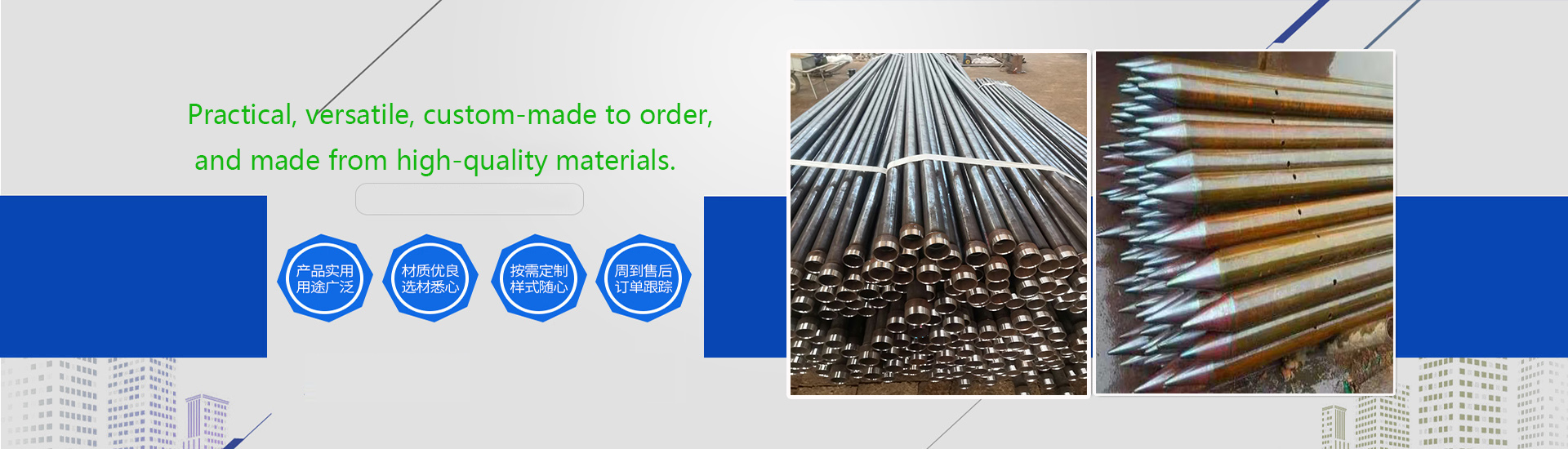
Pipe umbrella systems represent a sophisticated and effective approach to tunnel support. These systems consist of multiple pipes arranged in an umbrella-like pattern above the tunnel face, creating a protective canopy that spans the width of the excavation. The pipes are typically made of high-strength steel or other durable materials, capable of withstanding significant loads and pressures. They are anchored deeply into the surrounding rock or soil using specialized anchoring techniques, ensuring a secure and stable connection.
The primary function of the pipe umbrella system is to distribute the load exerted by the overlying rock or soil evenly across the canopy. This prevents excessive stress on any single point, reducing the likelihood of fractures, cracks, or complete collapses. By creating a stable working environment, the system enables tunnel excavators to operate with greater confidence and efficiency, knowing that the tunnel roof is well-supported and protected.
Moreover, the pipe umbrella system acts as a barrier against loose material falling from the tunnel roof. In soft or unstable ground conditions, where the risk of collapse is higher, this feature is particularly crucial. It prevents debris from obstructing the excavation process, reducing the need for constant clearing and minimizing the risk of accidents and injuries.
2.Applications in Various Tunnel Types
Tunnel roof support pipes, including those used in pipe umbrella systems, find widespread applications across a variety of tunnel types. Road tunnels, railway tunnels, and utility tunnels all benefit from the enhanced safety and stability provided by these systems. In each case, the specific requirements of the tunnel project dictate the design and configuration of the support pipes.
In road tunnels, for example, the support pipes must be able to withstand the dynamic loads imposed by passing vehicles. This requires careful consideration of the pipe material, diameter, and spacing to ensure adequate support without compromising the tunnel's structural integrity. Similarly, in railway tunnels, the support pipes must accommodate the vibrations and stresses generated by train traffic, necessitating robust and durable construction.
Utility tunnels, which house essential infrastructure such as water pipes, gas lines, and electrical cables, also rely heavily on tunnel roof support pipes. In these tunnels, the support system must not only prevent collapses but also protect the utility lines from damage. This requires precise installation and anchoring of the pipes to avoid any interference with the underlying infrastructure.
3.Advantages of Tunnel Roof Support Pipes
The use of tunnel roof support pipes offers several significant advantages in tunnel construction:
Increased Safety: The primary advantage is the enhanced safety provided to workers during the excavation process. By preventing collapses and loose material from falling, the support pipes create a secure working environment that reduces the risk of accidents and injuries.
Improved Efficiency: With a stable tunnel roof, excavation operations can proceed more smoothly and quickly. There is less need for constant adjustments and repairs, allowing for more efficient use of time and resources.
Reduced Construction Costs: Although the initial investment in tunnel roof support pipes may be higher, the long-term savings in terms of reduced maintenance and repair costs make them a cost-effective choice. Additionally, the prevention of collapses and accidents can avoid costly delays and legal liabilities.
Versatility: Tunnel roof support pipes can be adapted to suit a wide range of geological conditions and tunnel types. By adjusting the pipe material, diameter, spacing, and anchoring techniques, engineers can create a support system that meets the specific requirements of each project.
Environmental Sustainability: By preventing collapses and minimizing the need for excavation and repair work, tunnel roof support pipes contribute to environmental sustainability. They reduce the disturbance to the surrounding ecosystem and minimize the generation of construction waste.
4.Sonic Pipe-Related Aspects
While the focus of this article has been on tunnel roof support pipes in general, it is worth noting the relevance of sonic pipe technology in the context of tunnel construction and support. Sonic pipes, also known as sonic logging pipes or sonic drilling pipes, are used in geotechnical investigations to assess the properties of the subsurface soil and rock. They play a crucial role in determining the suitability of the ground for tunnel construction and in designing the appropriate support systems.
5.Future Developments and Innovations
As technology continues to advance, we can expect to see even more innovative and effective tunnel support systems in the future. One area of potential development is the integration of smart sensors and monitoring systems into tunnel roof support pipes. These sensors could continuously monitor the condition of the pipes and the surrounding ground, providing real-time data on stress levels, deformation, and potential failure points. This information could be used to trigger automatic adjustments to the support system or to alert workers to potential risks, further enhancing safety and efficiency.
Another area of innovation is the use of advanced materials and manufacturing techniques to create stronger, lighter, and more durable tunnel roof support pipes. By exploring alternative materials such as composites or advanced alloys, engineers could develop pipes that offer superior performance while reducing the overall weight and cost of the support system. Additionally, 3D printing and other additive manufacturing techniques could enable the production of custom-designed pipes with complex geometries, tailored to the specific requirements of each tunnel project.
Furthermore, the integration of tunnel roof support pipes with other tunneling technologies, such as tunnel boring machines (TBMs) and advanced excavation techniques, could lead to even more efficient and cost-effective tunneling operations. By optimizing the interaction between these different components, engineers could create a seamless and integrated tunneling process that minimizes disruption and maximizes productivity.
Conclusion
Tunnel roof support pipes, particularly those used in pipe umbrella systems, are essential components in ensuring the safety and stability of underground excavations. Their ability to distribute loads, prevent collapses, and protect workers from loose material makes them indispensable in a wide range of tunnel types and geological conditions. As technology advances, we can expect to see even more innovative and effective support systems emerge, incorporating smart sensors, advanced materials, and integrated tunneling technologies. These developments will further enhance the safety, efficiency, and cost-effectiveness of tunnel construction, enabling us to tackle even the most challenging underground projects with confidence and success.

admin
No comments for this content