
Introduction
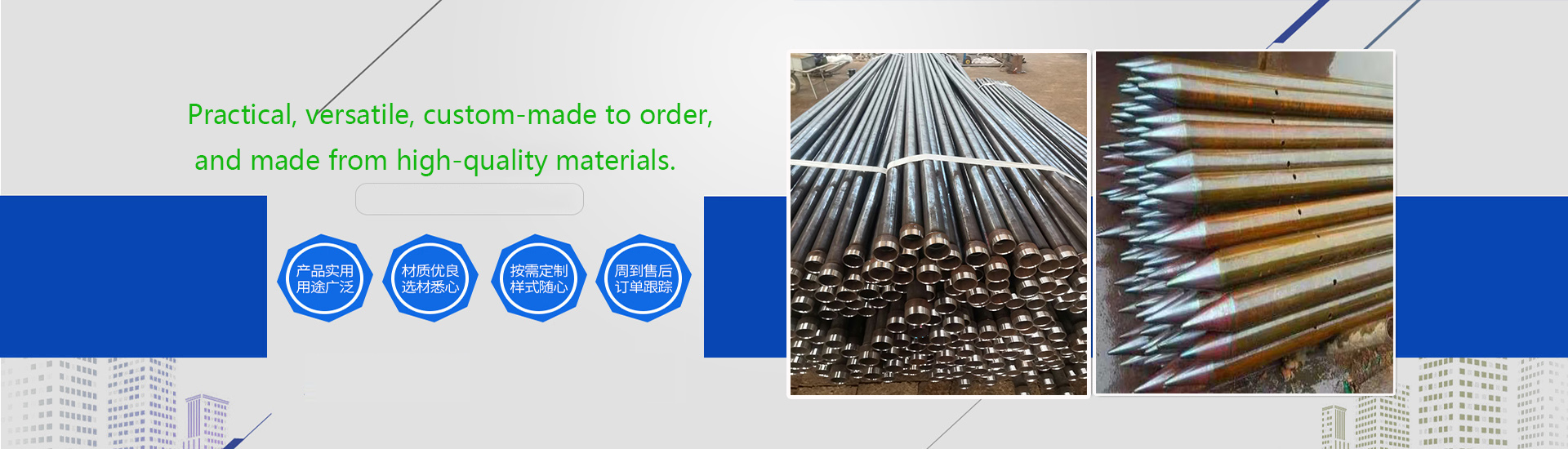
In the realm of underground construction, tunnel roof support pipes stand as a vital safeguard, ensuring the structural integrity of tunnels during excavation. These pipes play a pivotal role in preventing collapses, protecting workers, and maintaining the overall stability of the tunnel environment. As tunnel construction projects become increasingly complex and demanding, the need for advanced support pipe technology has never been more pressing. This article delves into the latest advancements in tunnel roof support pipe technology, exploring how these innovations are reshaping tunnel construction practices and enhancing underground safety. Additionally, we will touch upon the relevance of sonic pipes in the context of tunnel safety and monitoring.
Section 1: Technological Enhancements in Support Pipes
1.1 High-Strength Materials
The evolution of tunnel roof support pipes has been significantly influenced by the development of high-strength materials. Traditional steel pipes, while effective, often faced limitations in terms of load-bearing capacity, wall thickness, and weight. However, the advent of high-strength steel alloys and advanced composites has revolutionized the industry.
High-strength steel alloys, such as those containing chromium, nickel, and molybdenum, exhibit superior mechanical properties, including increased tensile strength and yield strength. These alloys allow for the production of support pipes with thinner walls and lighter weights, without compromising on safety or performance. The reduced weight of these pipes simplifies handling and installation, while the thinner walls optimize space utilization within the tunnel.
Moreover, advanced composites, such as carbon fiber-reinforced polymers (CFRP), offer exceptional resistance to fatigue and corrosion. Unlike traditional steel, which is susceptible to rust and degradation over time, CFRP pipes maintain their structural integrity even in harsh underground environments. This extended service life reduces the need for frequent replacements, lowering maintenance costs and enhancing overall project efficiency.
1.2 Modular Designs
Another significant advancement in tunnel roof support pipe technology is the adoption of modular designs. Modular systems offer unparalleled flexibility in installation and adjustment, accommodating a wide range of tunnel geometries and ground conditions. This adaptability is crucial in complex tunnel projects, where varying soil types, rock formations, and water tables can pose unique challenges.
Modular support pipe systems typically feature quick-connect mechanisms and adjustable lengths, simplifying the assembly process. These mechanisms allow for rapid installation and disassembly, reducing construction time and labor costs. Additionally, the ability to adjust the length of the pipes enables engineers to fine-tune the support system to the specific requirements of each tunnel section, ensuring optimal stability and safety.
Furthermore, modular designs facilitate easy maintenance and repairs. In the event of damage or wear, individual components can be replaced without the need for extensive excavation or disruption to the tunnel operations. This modular approach enhances the overall resilience of the tunnel roof support system, ensuring its continued effectiveness throughout the project lifecycle.
Section 2: Integration with Advanced Support Systems
2.1 Pipe Umbrella Systems
Pipe umbrella systems represent a sophisticated approach to tunnel roof protection, comprising multiple support pipes arranged in an umbrella-like configuration. This arrangement provides comprehensive coverage of the tunnel roof, distributing the load evenly and preventing localized stress concentrations that could lead to collapses.
Recent innovations in pipe umbrella systems have focused on enhancing installation efficiency and safety. Self-drilling pipes, for example, eliminate the need for pre-drilling holes, reducing the time and effort required for setup. These pipes are equipped with cutting edges that enable them to penetrate the ground as they are advanced, creating their own holes in the process.
Additionally, remote-controlled adjustment mechanisms have been introduced to pipe umbrella systems, allowing engineers to fine-tune the position and tension of the pipes from a safe distance. This remote operation minimizes the need for workers to enter hazardous areas, reducing the risk of accidents and injuries. The ability to adjust the pipes in real-time also enables engineers to respond quickly to changing ground conditions or unexpected events, ensuring the continued stability of the tunnel roof.
2.2 Pre-Support Techniques
Pre-support methods are essential for stabilizing the tunnel face before excavation, preventing premature collapses and ensuring worker safety. These techniques often involve the use of support pipes to reinforce the ground and distribute the load effectively.
Forepoling, for example, is a pre-support method that involves driving horizontal pipes into the ground ahead of the tunnel face. These pipes act as temporary supports, preventing the ground from caving in as the excavation progresses. Advanced monitoring sensors can be integrated into the forepoling pipes, providing real-time data on ground movement and stress levels. This information enables engineers to detect potential issues early and take proactive safety measures, such as adjusting the excavation sequence or reinforcing the support system.
Ground freezing is another pre-support technique that utilizes support pipes to stabilize the ground. In this method, a network of pipes is installed around the tunnel perimeter, and a refrigerant is circulated through them to freeze the surrounding soil. The frozen ground forms a stable barrier, preventing water ingress and reducing the risk of collapses. Sonic pipes, which are specialized pipes equipped with acoustic sensors, can be used in conjunction with ground freezing to monitor the temperature and integrity of the frozen barrier. These sensors provide valuable feedback on the effectiveness of the freezing process, allowing engineers to optimize the operation and ensure the safety of the tunnel.
2.3 The Relevance of Sonic Pipes in Tunnel Safety and Monitoring
While the focus of this article has been on tunnel roof support pipes, it is worth mentioning the role of sonic pipes in the broader context of tunnel safety and monitoring. Sonic pipes, as their name suggests, are equipped with acoustic sensors that enable them to detect and analyze sound waves within the tunnel environment. These pipes can be used for a variety of purposes, including monitoring ground movement, detecting leaks, and assessing the structural integrity of the tunnel lining.
In the context of tunnel roof support, sonic pipes can provide valuable insights into the behavior of the support system. By analyzing the acoustic signals generated by the support pipes, engineers can detect signs of stress, deformation, or damage, even before they become visible to the naked eye. This early warning capability enables engineers to take timely corrective actions, preventing potential collapses or other safety incidents.
Moreover, sonic pipes can be integrated into advanced monitoring systems that provide real-time data on the tunnel environment. These systems can be linked to centralized control centers, where engineers can monitor the tunnel's condition around the clock and respond quickly to any emerging issues. The use of sonic pipes in conjunction with tunnel roof support pipes enhances the overall safety and resilience of the tunnel, ensuring its continued operation and longevity.
Conclusion
Tunnel roof support pipes are evolving rapidly to meet the demands of modern tunnel construction. The incorporation of high-strength materials, modular designs, and integration with advanced support systems has significantly enhanced the safety and efficiency of tunnel projects. These advancements enable engineers to tackle complex underground environments with confidence, ensuring the structural integrity of the tunnel and the safety of the workers involved.
Furthermore, the relevance of sonic pipes in tunnel safety and monitoring cannot be overstated. These specialized pipes provide valuable insights into the behavior of the tunnel environment, enabling engineers to detect potential issues early and take proactive safety measures. As tunnel construction projects continue to grow in scale and complexity, the importance of advanced support pipe technology and sonic monitoring systems will only increase, ensuring the continued success and safety of underground construction endeavors.

admin
No comments for this content