
In the intricate world of civil engineering, ensuring the structural integrity of deep foundation elements is paramount. Among the array of techniques employed to achieve this, Cross-Hole Sonic Logging (CSL) stands out as a beacon of reliability and accuracy. This non-destructive testing method has revolutionized the way engineers assess the quality and consistency of concrete drilled shafts, CIDH piles, slurry walls, and other deep concrete foundations. Let's delve deeper into the multifaceted benefits that CSL brings to the table.
1.Precision in Identifying Shaft Anomalies
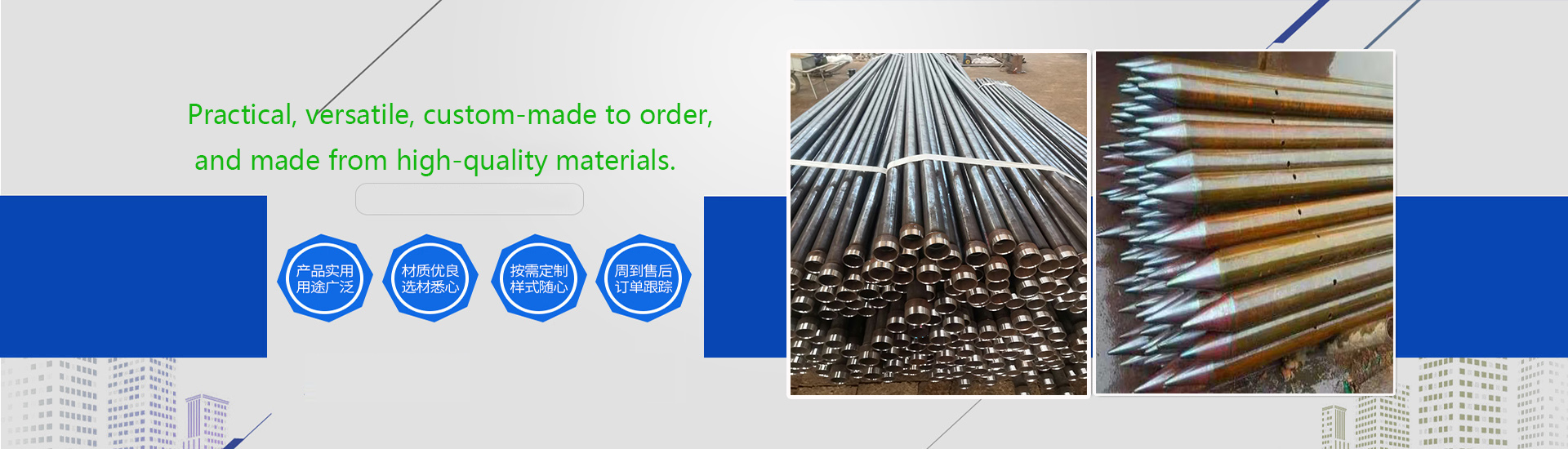
One of the most significant advantages of CSL is its ability to pinpoint the exact location of potential shaft anomalies with remarkable precision. During the construction of drilled shafts, a series of tubes are installed, typically attached to the reinforcement cage along the full length of the shaft. These tubes, filled with water, serve as conduits for ultrasonic signals. When a transceiver emits an ultrasonic signal in one tube, it is sensed by another transceiver in a different tube. If the concrete between these tubes is compromised—due to defects or anomalies—the signal's path is delayed or disrupted, providing a clear indication of problem areas.
This real-time analysis capability is invaluable. It allows engineers to detect defects within minutes, enabling immediate action to be taken. Whether it's a minor flaw or a major defect, CSL's precision ensures that no issue goes unnoticed, thereby preventing potential structural failures down the line. The ability to quickly identify and address these anomalies is a testament to CSL's effectiveness in maintaining the highest standards of structural integrity.
2.Enhancing Quality Control and Assurance
In the realm of deep foundation construction, quality control and assurance are non-negotiable. CSL plays a pivotal role in this regard by providing access to a wealth of data that is crucial for maintaining these standards. The construction process is fraught with challenges, especially when drilling below the groundwater level. Factors such as necking or caving in of drilled shafts, buckling of the reinforcement cage, damage to piles, and excess water intrusion can all threaten the structural integrity of the foundation.
With CSL, engineers gain access to real-time data that allows them to monitor the construction process closely. This data serves as a quality control mechanism, ensuring that any deviations from the desired standards are identified and rectified promptly. By having this level of insight, engineers can make informed decisions, adjust construction techniques if necessary, and ultimately ensure that the foundation is built to last. This proactive approach to quality assurance not only saves time and money but also provides peace of mind knowing that the structure is sound.
3.Versatility Across Various Scenarios
Another remarkable feature of CSL is its versatility. It can be applied in a wide range of scenarios, making it an indispensable tool for engineers working on different types of projects. Whether it's analyzing concrete above or below the waterline, assessing slurry walls, or evaluating the integrity of auger cast piles, CSL is up to the task. Its ability to transmit ultrasonic waves through various materials, including concrete, slurry, and grout, makes it a flexible and adaptable testing method.
Moreover, CSL can collect precise data on the quality and integrity of concrete at different depths. This is particularly useful in projects where the foundation extends deep into the ground, as it allows engineers to assess the condition of the concrete throughout its entire length. This comprehensive assessment capability ensures that no part of the foundation is overlooked, providing a complete picture of its structural integrity.
4.Quick, Safe, and Informative Testing Process
The speed, safety, and informativeness of the CSL testing process are also noteworthy. Unlike other testing methods that may require extensive setup time or pose safety risks to personnel, CSL can be performed quickly and safely. The use of ultrasonic signals eliminates the need for invasive procedures, reducing the risk of damage to the foundation. Additionally, the data collected during the test is highly informative, providing engineers with a detailed understanding of the foundation's condition.
This quick and safe testing process is particularly beneficial in time-sensitive projects where delays can be costly. By providing immediate results, CSL allows engineers to make timely decisions and keep the project on schedule. Furthermore, the informative nature of the data ensures that any issues are identified and addressed promptly, preventing potential problems from escalating into major structural failures.
5.Ease of Interpretation and Flexibility
Interpreting the results of CSL tests is relatively straightforward compared to other methods, such as low strain pile integrity tests. The data collected during the test is presented in a clear and concise manner, making it easy for engineers to understand and analyze. There are no complex calculations or ambiguous readings to decipher, which streamlines the decision-making process.
Additionally, CSL is not limited by shaft length or diameter, nor is it affected by skin friction or variations in soil texture. This flexibility makes it an ideal testing method for a wide range of projects, regardless of their size or complexity. In fact, by positioning the probes diagonally and using offset transmitting transducers at different elevations, engineers can even create 2D and 3D maps of the shaft being tested and any interior defects. This advanced mapping capability provides a level of detail that is unparalleled in the field of structural integrity testing.
Conclusion
In conclusion, Cross-Hole Sonic Logging (CSL) is a testing method that offers a multitude of benefits for assessing the structural integrity of deep foundation elements. Its precision in identifying shaft anomalies, enhancement of quality control and assurance, versatility across various scenarios, quick and safe testing process, and ease of interpretation make it an indispensable tool for engineers. By incorporating CSL into on-site quality assurance protocols, engineers can prevent future structural issues, create solid and effective foundational structures, and ensure the long-term stability and safety of their projects. In the ever-evolving field of civil engineering, CSL stands as a testament to the power of innovation and technology in maintaining the highest standards of structural integrity.

admin
No comments for this content