
Introduction
In the realm of construction, ensuring the structural integrity of concrete elements is of paramount importance. Concrete, being a fundamental building material, forms the backbone of various structures such as diaphragm walls, bored piles, drilled shafts, barrettes, concrete piles, and augercast piles. These elements are crucial for the stability and longevity of buildings, bridges, and other infrastructure projects. Any compromise in their quality can lead to catastrophic consequences, including structural failures, safety hazards, and significant financial losses. To mitigate such risks, engineers and construction professionals rely on advanced testing methods to assess the quality of concrete. One such method that has gained widespread recognition for its accuracy and reliability is the Crosshole Sonic Logging (CSL) method.
1.Understanding the CSL Method
The Crosshole Sonic Logging (CSL) method is a non-destructive testing technique employed to evaluate the structural integrity and consistency of concrete within various foundation elements. Unlike traditional testing methods that may involve destructive sampling or limited coverage, CSL offers a comprehensive assessment by utilizing sound waves to measure the properties of concrete. This method is particularly useful in detecting defects, voids, and inconsistencies within the concrete that may not be visible to the naked eye or detectable through other means.
2.How CSL Works
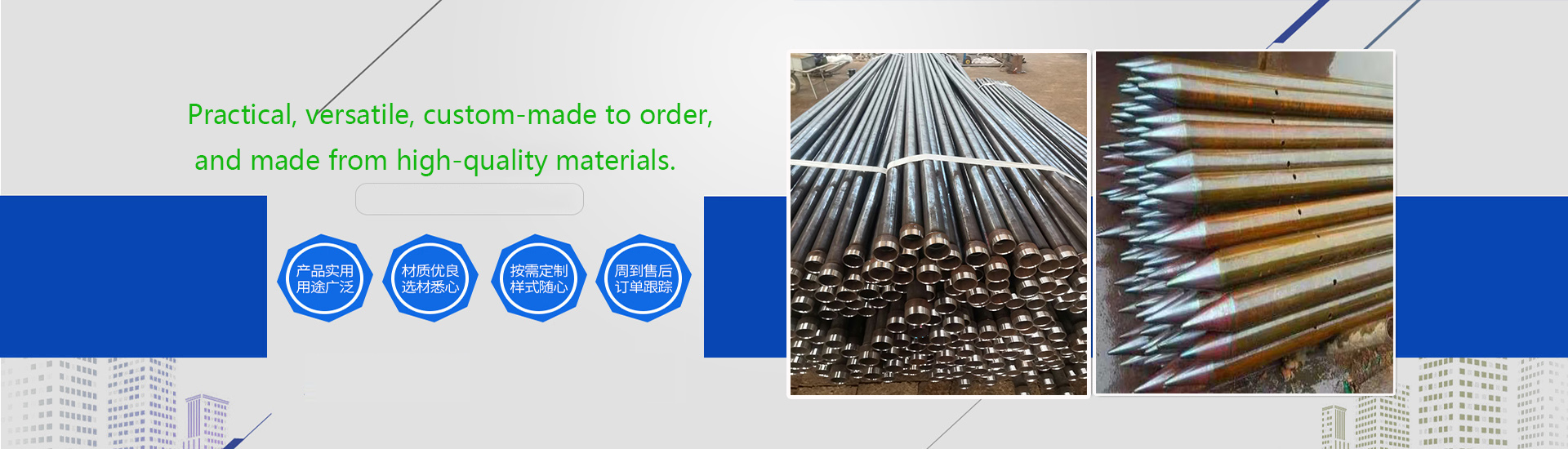
The CSL method involves the installation of two parallel water-filled tubes at specific intervals within the foundation element during its construction. These tubes serve as conduits for sound waves, allowing for the measurement of propagation time and energy balance between them. The process begins with the lowering of an ultrasonic transmitter and receiver into the tubes simultaneously. As they are lifted or lowered in unison, the transmitter emits sound waves that travel through the concrete between the tubes. The receiver, on the other hand, detects these waves and measures their arrival time and energy level.
The key principle behind CSL is based on the fact that sound waves travel at different speeds through different materials. In the case of concrete, variations in density, moisture content, and the presence of defects or voids can affect the speed and energy of sound waves. By analyzing the data collected by the receiver, engineers can determine the quality of the concrete and identify any areas of concern. This includes detecting the extent, depth, and approximate location of damage within the drilled pile or shaft.
3.Applications of CSL Testing
CSL testing is widely used in various construction projects to ensure the quality and reliability of concrete foundation elements. Some of the key applications include:
Diaphragm Walls: Diaphragm walls are deep excavation support structures used in urban construction projects, particularly in areas with limited space or high groundwater levels. CSL testing helps verify the integrity of these walls, ensuring they can withstand the lateral pressures exerted by the surrounding soil and water.
Bored Piles and Drilled Shafts: Bored piles and drilled shafts are deep foundation elements used to support heavy loads, such as those from buildings, bridges, and towers. CSL testing is crucial in assessing the quality of these elements, as any defects or inconsistencies can compromise their load-bearing capacity and lead to structural failures.
Barrettes and Concrete Piles: Barrettes and concrete piles are similar to bored piles but are typically larger in diameter and used for more demanding applications. CSL testing helps ensure the uniformity and strength of these elements, providing confidence in their ability to support the intended loads.
Augercast Piles: Augercast piles are formed by drilling a hole into the ground and then filling it with concrete as the auger is withdrawn. CSL testing can detect any voids or defects that may have formed during the casting process, ensuring the pile's integrity and performance.
4.Benefits of CSL Testing
The use of CSL testing offers several advantages over traditional testing methods, making it a preferred choice for construction professionals:
Non-Destructive: CSL testing is a non-destructive method, meaning it does not require any sampling or damage to the concrete element being tested. This preserves the integrity of the structure and allows for testing at various stages of construction without compromising its strength.
Comprehensive Coverage: Unlike other testing methods that may only provide limited coverage or require multiple tests to assess different areas, CSL testing offers comprehensive coverage of the entire concrete element. This ensures that any defects or inconsistencies are detected, regardless of their location or size.
High Accuracy: CSL testing provides highly accurate results, allowing engineers to make informed decisions about the quality and reliability of the concrete. This accuracy is crucial in ensuring the safety and longevity of the structure.
Cost-Effective: Although CSL testing may require an initial investment in equipment and training, it can ultimately save costs by detecting defects early in the construction process. This allows for timely repairs or modifications, preventing more extensive and costly repairs down the line.
Time-Efficient: CSL testing can be performed relatively quickly, allowing for rapid assessment of concrete quality. This is particularly useful in projects with tight deadlines or where multiple elements need to be tested.
Conclusion
The Crosshole Sonic Logging (CSL) method is a powerful tool in the construction industry for assessing the quality and integrity of concrete foundation elements. By utilizing sound waves to measure the properties of concrete, CSL testing provides accurate, comprehensive, and non-destructive results. Its applications span a wide range of construction projects, from diaphragm walls and bored piles to drilled shafts and augercast piles. The benefits of CSL testing, including its high accuracy, cost-effectiveness, and time efficiency, make it an indispensable method for ensuring the safety and longevity of structures. For those interested in learning more about CSL concrete testing, exploring resources such as CSL specifications and case studies can provide valuable insights into its practical applications and benefits.

admin
No comments for this content